

Markets
Hydrogen Engineering & TechnologyIndustrial innovation for hydrogen fuel cell and electrolyzer components
Hydrogen Power Starts with Precision Engineering
Precision technologies built for the future of hydrogen
Hydrogen innovation demands partners who understand the complexity — and the opportunity — of next-generation energy systems.
At Matthews Engineering, we serve the key segments driving the hydrogen economy with advanced engineering, scalable solutions, and industry-specific expertise.
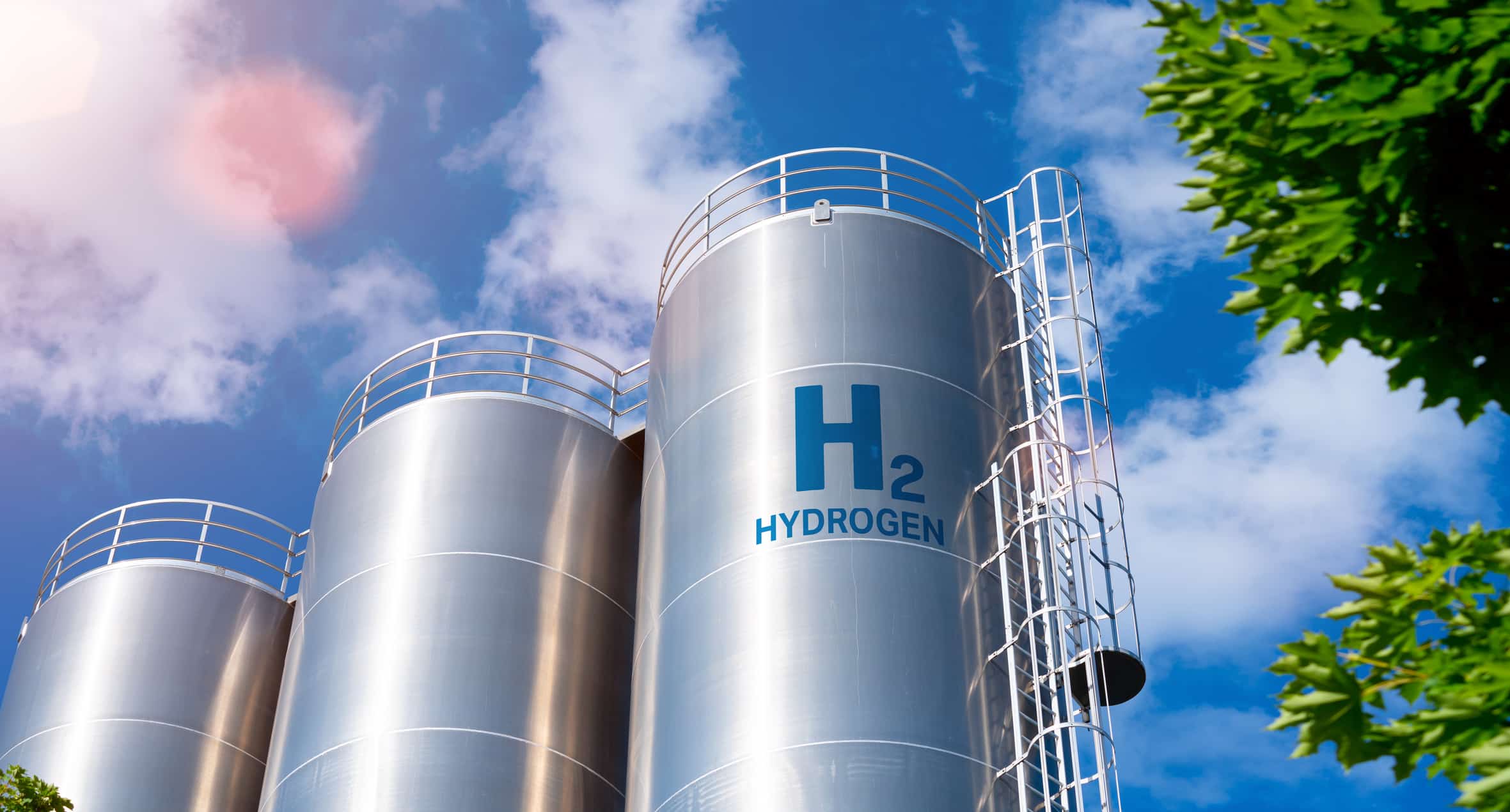
Electrolyzer Manufacturers
Our custom solutions for electrolyzer production lines are built to meet the high-output, high-precision demands of industrial-scale hydrogen generation. We design specialty machines and tooling that optimize your production flow — with precision that ensures every cell meets exacting standards for performance and longevity.
What We Offer:
- Calendering and coating systems for consistent cell layer application
- Modular and scalable production line components
- Durable materials and process stability for 24/7 industrial operation
Fuel Cell Component Manufacturers
Every component in a hydrogen fuel cell counts — and so does every micron. Matthews Engineering delivers customized solutions for manufacturers producing MEAs, Gas diffusion layers, and other core fuel cell components. We apply decades of rotary engineering expertise to ensure precise, repeatable, and scalable production processes that meet the most demanding industrial requirements.
What We Offer:
- Coating and Calendering systems for ultra-thin, even layer deposition
- Thermal rollers and calender systems for consistent material compaction
- Custom tooling and roller surfaces engineered for advanced materials
Core components for scalable fuel cell and electrolyzer manufacturing
From bipolar plates to complete stack automation: we deliver precision systems for every critical component.
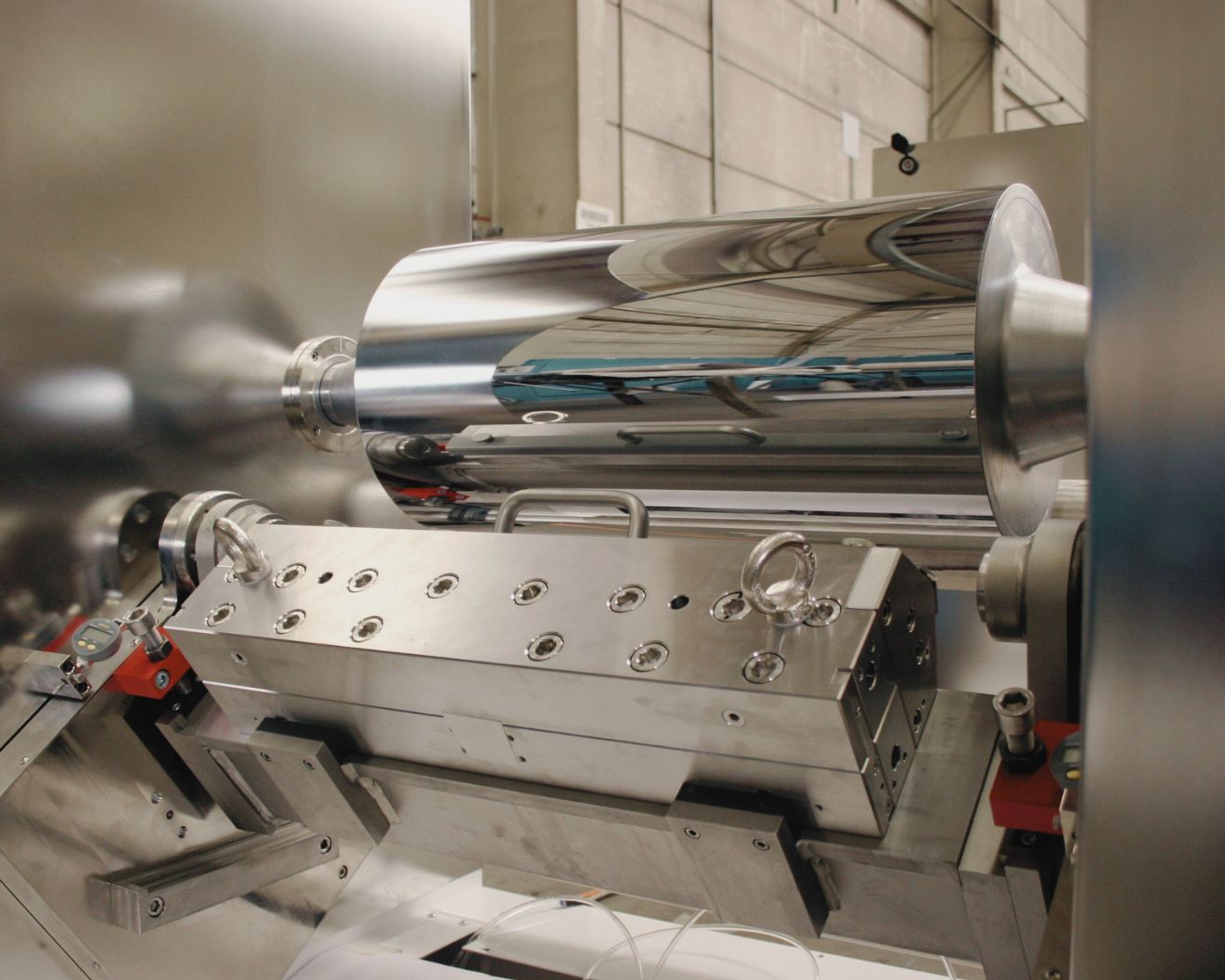
Bipolarplates
With deep expertise in rotary forming, Matthews Engineering delivers fully integrated, high-performance embossing production lines. Manufacturers benefit from our advanced tooling capabilities and close collaboration with experienced process and equipment engineers.
Membrane
Membranes are the functional heart of hydrogen fuel cells and electrolyzers — and demand uncompromising accuracy in every layer.
We deliver specialized coating systems engineered for the precise handling of ultra-thin membrane materials. Our solutions ensure uniform layer deposition – accelerating efficiency from pilot to gigawatt-scale manufacturing.
Catalyst Coated Membranes
As the core of every fuel cell and electrolyzer, catalyst membranes demand exact handling. Leveraging decades of experience in processing web-based materials, we design and build coating and calendering systems that ensure clean, consistent, and reliable processing of sensitive membrane structures.
Gas Diffusion Electrode
We deliver specialized solutions for coating GDE layers with exacting precision. Our lines ensure uniform distribution of catalyst inks and microporous layers, supporting maximum electrochemical efficiency and long-term durability — from R&D through to high-volume production.
Gas Diffusion Layers
Our roll-to-roll production solutions for coating, laminating, and precision cutting make Matthews Engineering a trusted partner for processing gas diffusion layers. Whether applying adhesives or cutting to spec — our systems deliver accuracy, speed, and repeatability.
Automated Stack Production
Automation is key to scaling fuel cell manufacturing. From pilot to serial production, we help you industrialize your stack assembly with automated systems that ensure throughput, quality, and consistency.
Coating Line Solutions
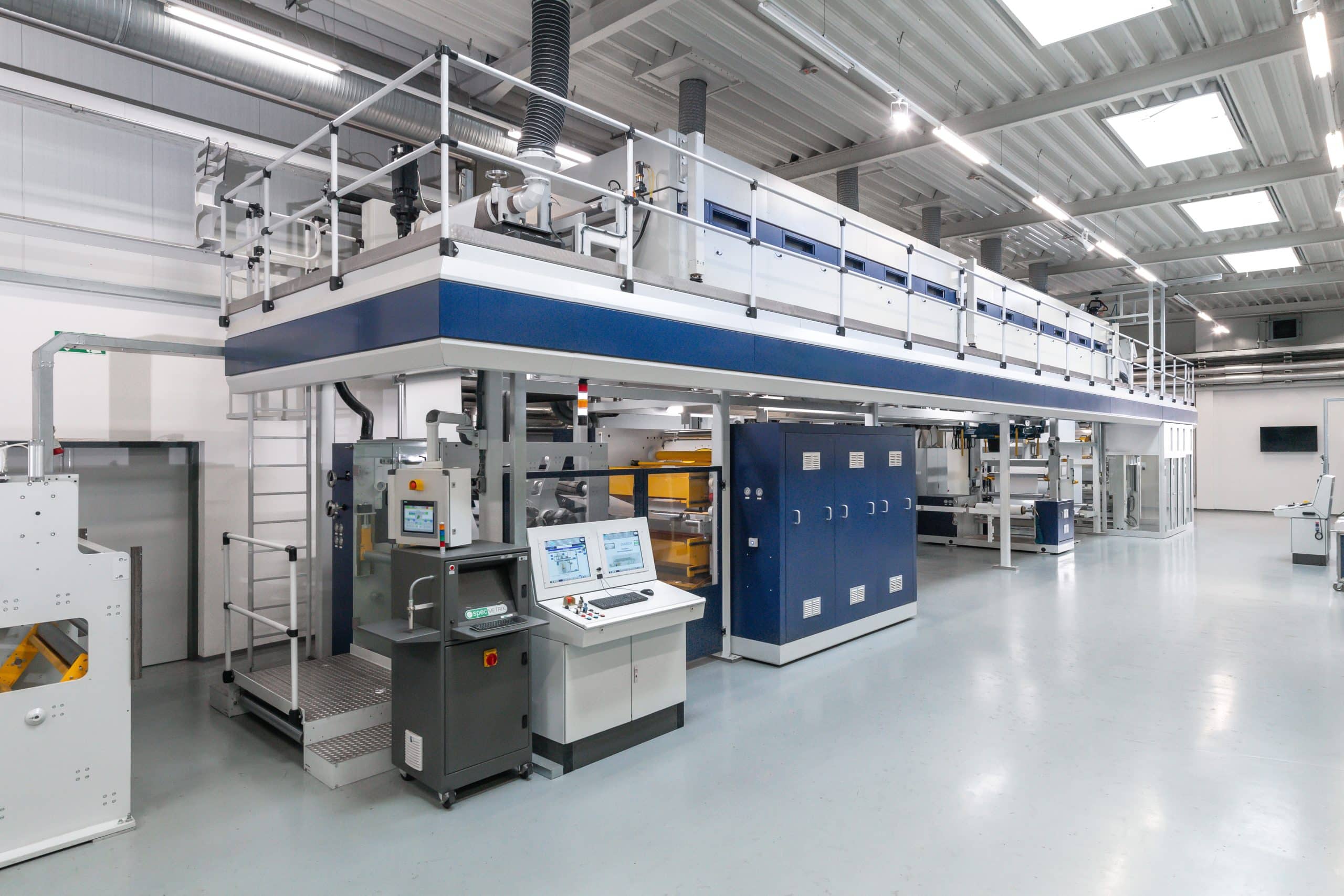
Our advanced coating line solutions are engineered to meet the demanding requirements of fuel cell and electrolysis applications. Designed for high-precision coating of membranes, catalyst-coated membranes (CCM), gas diffusion layers (GDL), and gas diffusion electrodes (GDE), these systems offer exceptional accuracy, scalability, and material efficiency.
Whether for R&D or industrial-scale production, our modular platforms ensure reliable performance, uniform layer quality, and seamless integration with upstream and downstream processes – empowering manufacturers to drive innovation in energy technologies.
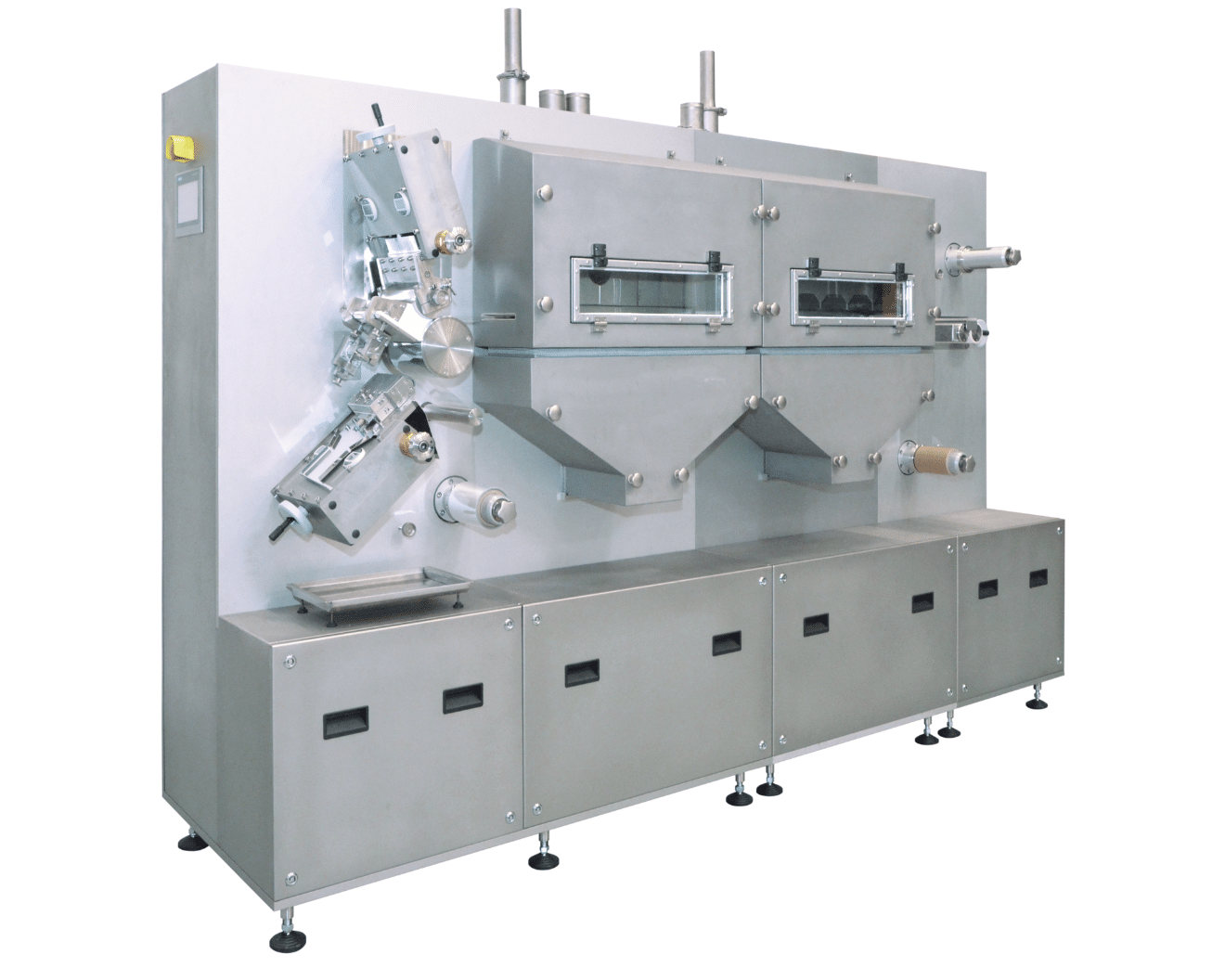
Desk Coater / LabCoater
The Desk Coater brings proven Matthews Engineering technology to lab scale, designed for material widths of approx. 150 mm and speeds from 0.05 to 2.0 m/min. It supports coating of membranes, CCM, GDL, GDE and more, using substrates like paper, PE, PET and PTFE. Both water- and solvent-based coatings can be applied with flexible methods such as slot die, comma bar or knife-over-roll. Integrated drying options and a compact system with unwinder, coating units, laminating station, rewinder and Siemens control ensure precise, efficient lab-scale coating and testing.
- Roller Face Width:180 mm
- Working Width: 150 mm
- Production speed: 0.05 – 2.0 m/min
- Coating Substrates: Paper, PE, PET, PTFE and other non elastic materials
- Coatings: Water Based and Solvent Based Coatings (ATEX)
- Coating Applications: Various Systems can be Implemented
- Drying: Single or Multiple Zones
- Single-Station Winders (3“ Cores, max. Dia. 250 mm)
- Laminating Station
- Siemens Drive and Control System Onboard
- HMI Integrated: Siemens
Compact coater
Matthews Engineering’s Compact Coater bridges the gap between lab-scale systems and full production lines, enabling pre-validation and faster time-to-market. Designed for cleanroom use, it offers flexible, modular configuration with unwinders and winders up to 60 kg, 500 mm roll diameter and automatic edge guiding. Several coating options include slot die and comma bar systems, supported by advanced drying with heating plates and air nozzles. With speeds from 0.1 to 10 m/min and 500 mm working width, it ensures high quality and continuous operation. Additional modules such as lamination and slitting make it ideal for industrial performance and scalable production.
- Production Speed: 0.1 – 10 m/min
- Working Width: 500 mm
- Various Coating Methods, such as Slot Die Coating, Comma Bar Coating, Roller Coating or Knife-Over-Roll Coating
- Coatings: Water Based and Solvent Based Coatings (ATEX)
- Cantilever Design
- High Demand for Quality Control
- Clean Room Application Possible
- Turnkey Supply
Production Coating Lines for CCM (Catalyst Coated Membrane)
Discover an advanced solution for manufacturing fuel cell and electrolyzer CCM with Matthews Engineering’s roll-to-roll coating lines. Decal foil is automatically unwound and precisely guided for uniform coating using slot die or comma bar systems. A controlled drying process removes solvents efficiently, ensuring consistent, high-quality electrode layers in a clean environment. Optional lamination and rewinding provide added flexibility. With production speeds of 0.1 to 20 m/min and working widths above 500 mm, the system is designed for cleanroom use, high quality standards and turnkey delivery—ideal for reliable, scalable CCM production.
Production Coating Lines for GDL (Gas Diffusion Layer)
Experience advanced coating technology with Matthews Engineering’s GDL Coating Lines, designed for precise tension control and consistent high-quality results. Non-woven or carbon paper materials are smoothly unwound and guided through a two-stage process, including impregnation via foulard (dip coating) and uniform PTFE application. Subsequent drying and sintering at temperatures up to 450°C ensure optimal material performance. Final inspection and precise rewinding complete the process. With speeds from 0.5 to 20 m/min and a working width of 1,300 mm, the system delivers efficient, reliable and turnkey solutions for industrial GDL production.
Production Coating Lines for Membrane
Matthews Engineering’s Membrane Coating Lines deliver precise and reliable coating performance with advanced tension control systems. The substrate is smoothly unwound and guided to the coating station, where polymer coatings are applied using slot die or comma bar methods for uniform results. A controlled drying process with air and heating plates ensures gentle and consistent curing. After inspection, optional lamination and precise rewinding complete the process. With production speeds of 0.5 to 5 m/min and a working width of 1,100 mm, the system offers efficient, high-quality, turnkey solutions for membrane production.
Production Coating Lines for GDE (Gas Diffusion Electrode)
Matthews Engineering’s Production Coating Lines for GDE provide an advanced roll-to-roll solution for efficiently coating catalyst ink onto GDL substrates. The material is automatically unwound and precisely guided to ensure uniform application using slot die or comma bar systems. A controlled drying process removes solvents effectively, ensuring consistent and high-quality electrode layers in a clean environment. Optional lamination and rewinding enhance flexibility and product protection. With production speeds from 0.5 to >10 m/min and a working width of 1,100 mm, the system delivers precise, reliable and turnkey solutions for scalable GDE production.
From component innovation to scalable production
Whether you’re developing next-generation bipolar plates or scaling up full stack production, our end-to-end capabilities deliver precision, reliability and performance at every stage. At Matthews Engineering, collaboration is part of the process. Our specialists work side by side with customers throughout every project phase — delivering tailored technical guidance, practical solutions, and focused execution.
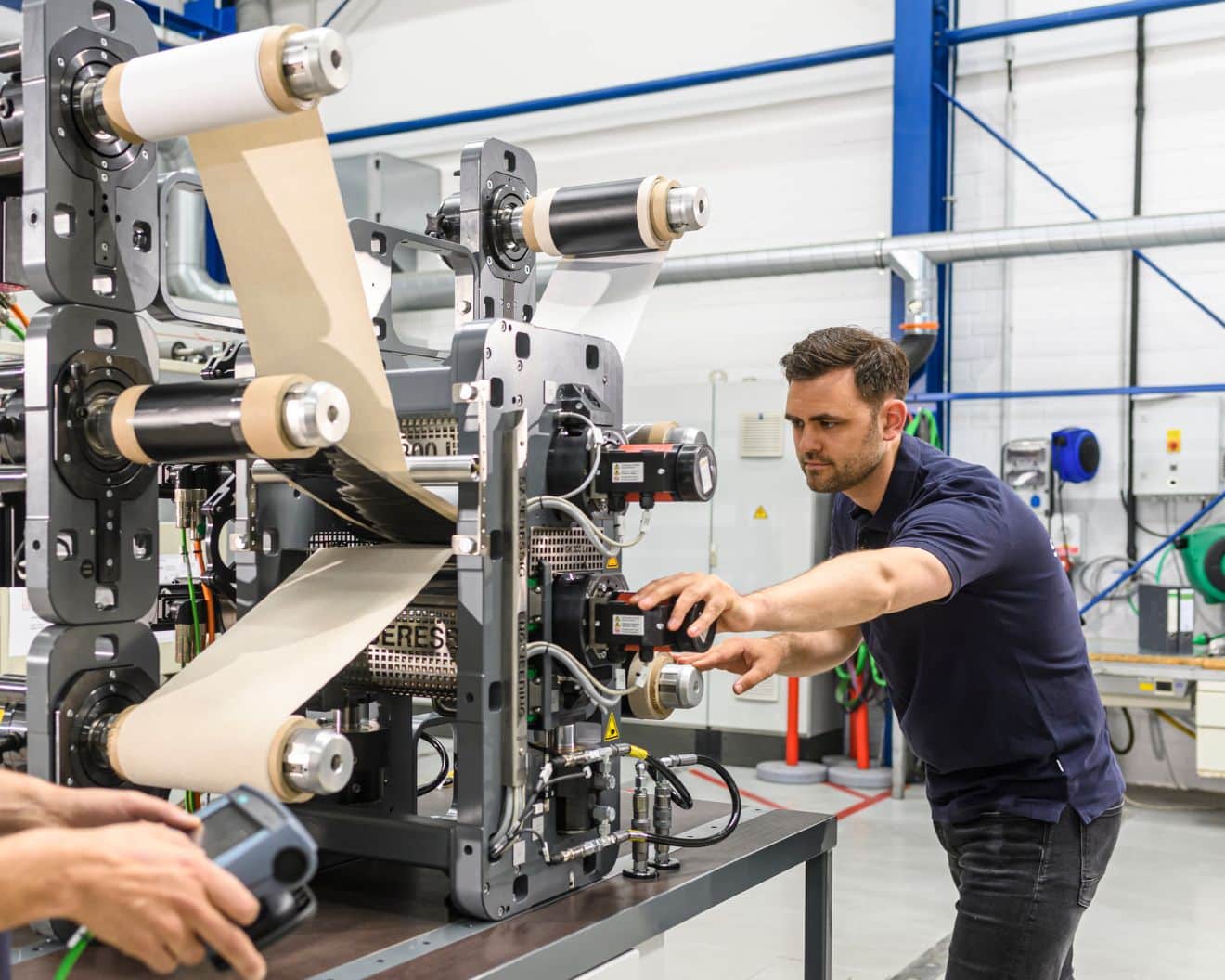
Research & Development
Our R&D teams work in close coordination with customers to continuously align innovations with real-world production needs. This partnership is the engine behind our progress — and yours.
Component Development
We develop and optimize manufacturing processes, machinery, and tooling for key fuel cell components – including graphite and metal bipolar plates, gas diffusion layers, and catalyst coated membranes. Precision and scalability are built into every solution.
Pilot Testing & Development Centers
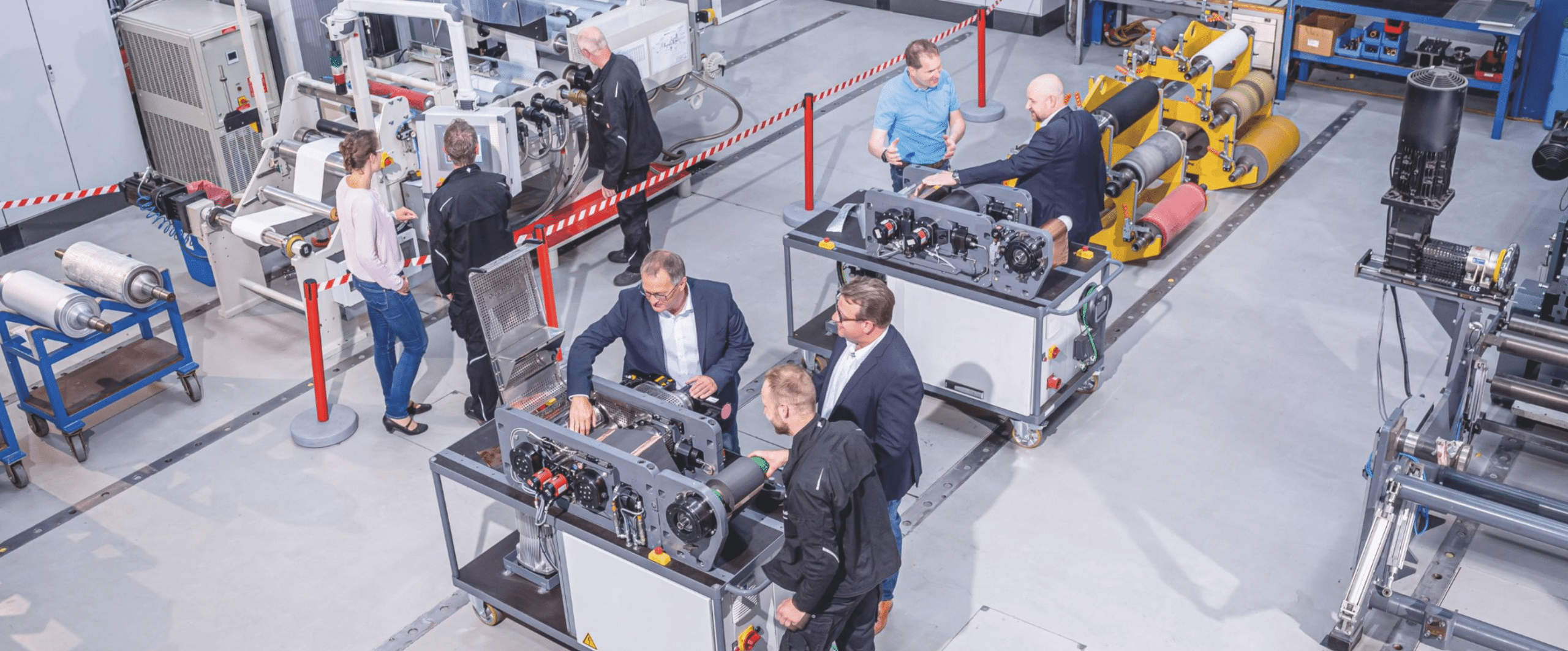
In our technical and development centers, customers can validate materials, test processes under near-production conditions, and explore new system concepts – long before the first product rolls off the line.
Precision Rotary Tooling
From design to final geometry, we engineer rotary embossing and cutting tools that deliver repeatable accuracy and durability – purpose-built for fuel cell stack production.
Scalable Production Equipment
From pilot setups to full-scale manufacturing, we deliver high-performance production equipment for fuel cell and electrolyzer components as well as stack – including advanced rotary tooling, forming and cutting systems.
Tailored Assembly & Production Lines
We design custom lines for component and stack manufacturing — from prototype to mass production. Our expertise includes embossing, coating, resin impregnation, curing, bonding, and sealing, integrated into complete, scalable systems.
Seamless Installation & Ramp-Up
Our experienced engineers manage the complete installation and commissioning process – ensuring smooth startup across a range of industries, with a strong focus on clean energy production.
Lifetime Service & Support
We stand by our systems with proactive maintenance, reliable repair services, and ongoing support. Our after-sales team upholds the highest standards to keep your production running at peak performance.
Product Portfolio
Embossing Calender for Bipolar Plates
Designed specifically for metal and graphite bipolar plates, our embossing systems reduce complexity, enhance quality, and scale with you from pilot lines to full production.
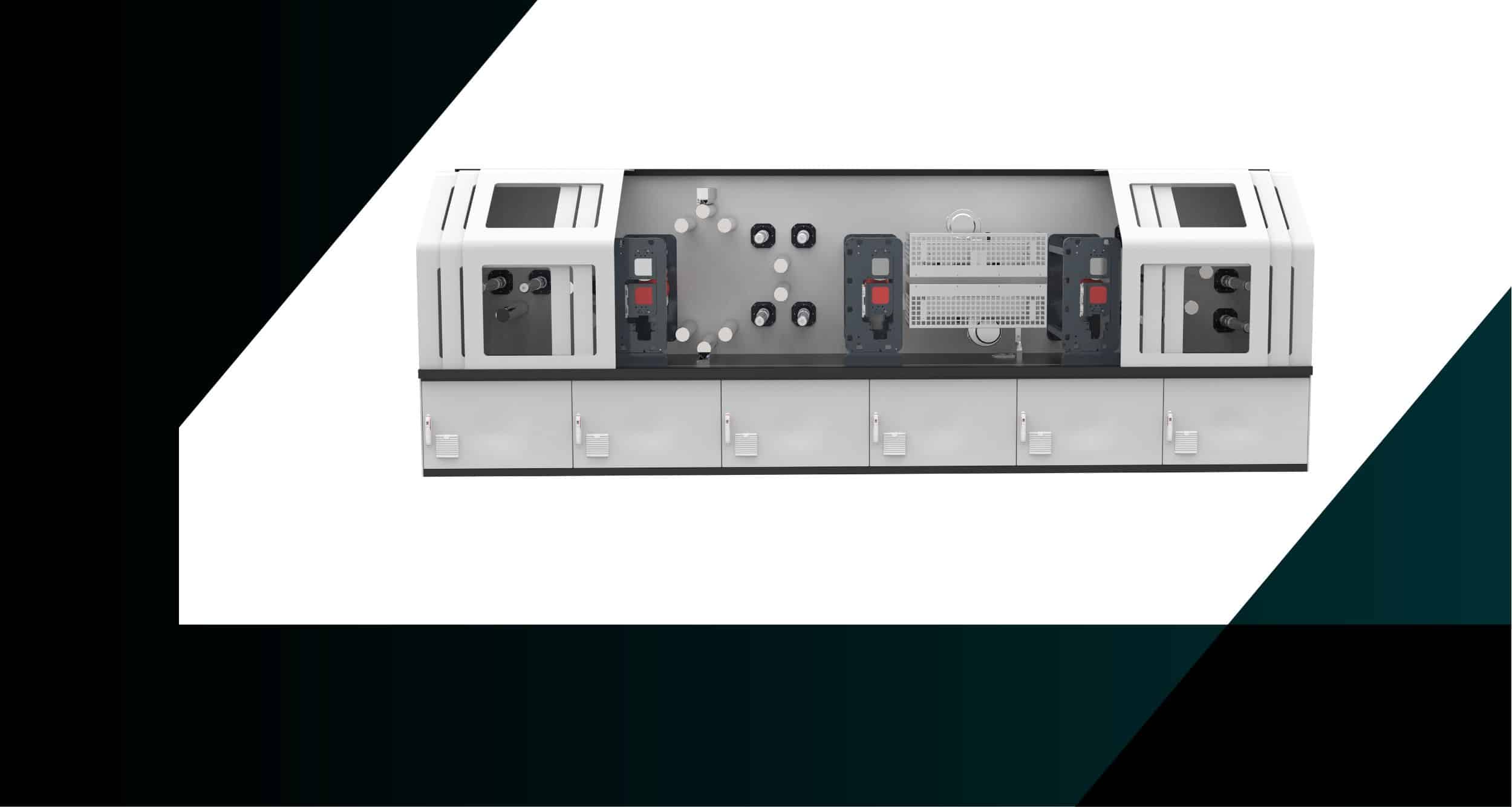
Laminating Calender for Catalyst Coated Membranes
Our laminating systems are designed to meet the rigorous demands of catalyst coated membrane (CCM) production.
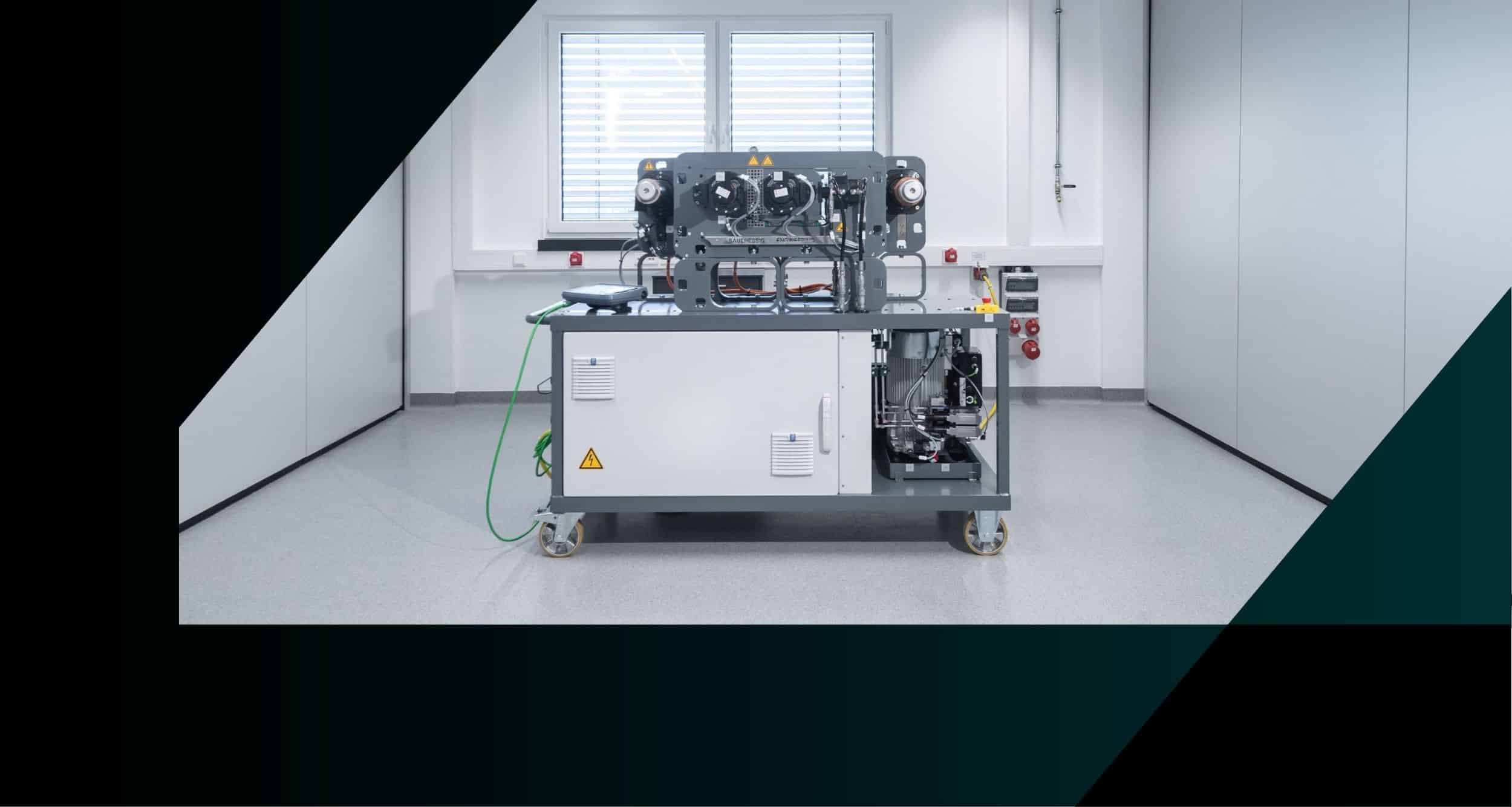
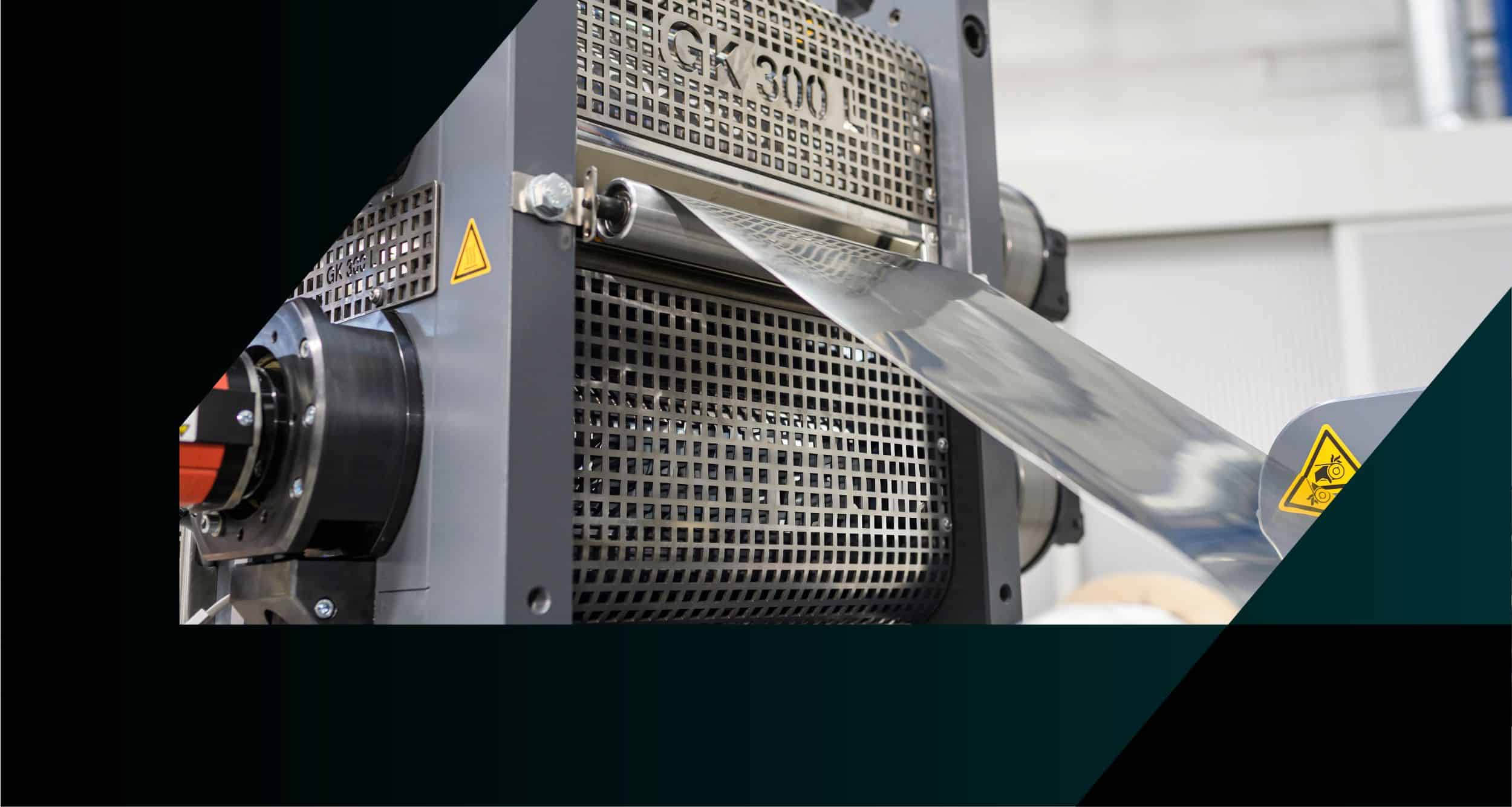
Laboratory Calender GK300 L
With a configurable setup, vertical or horizontal positioning, and a wide range of optional components, the GK 300 L adapts to your testing environment and application needs.
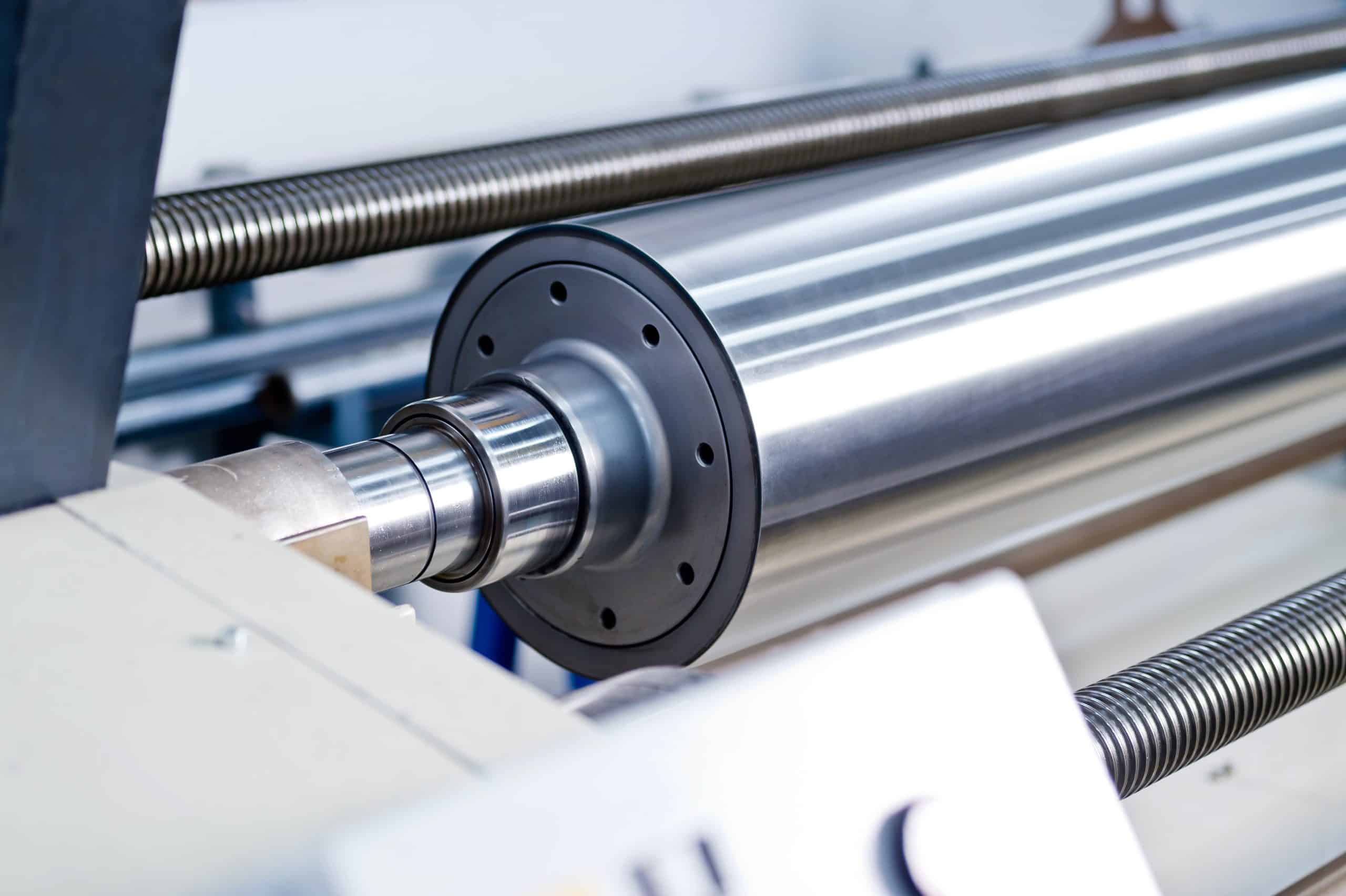
Calender & Smoothing Rollers
Our calender and smoothing rollers deliver the highest surface quality and consistent material properties – even in the most demanding applications.
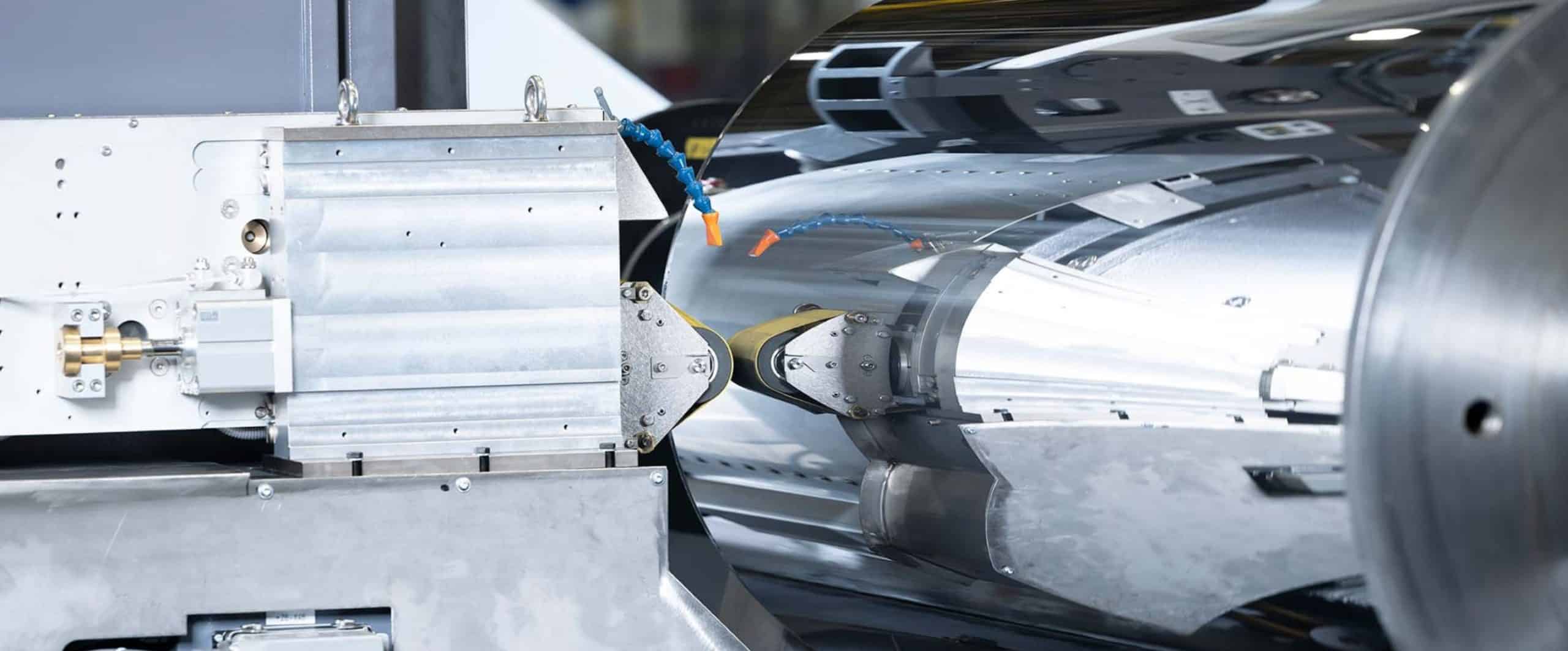
Refurbishment & Spare Parts
With our roller refurbishment and original spare parts, you can ensure that your production runs precisely, efficiently, and reliably over the long term – without compromise.
Key applications & industry sectors
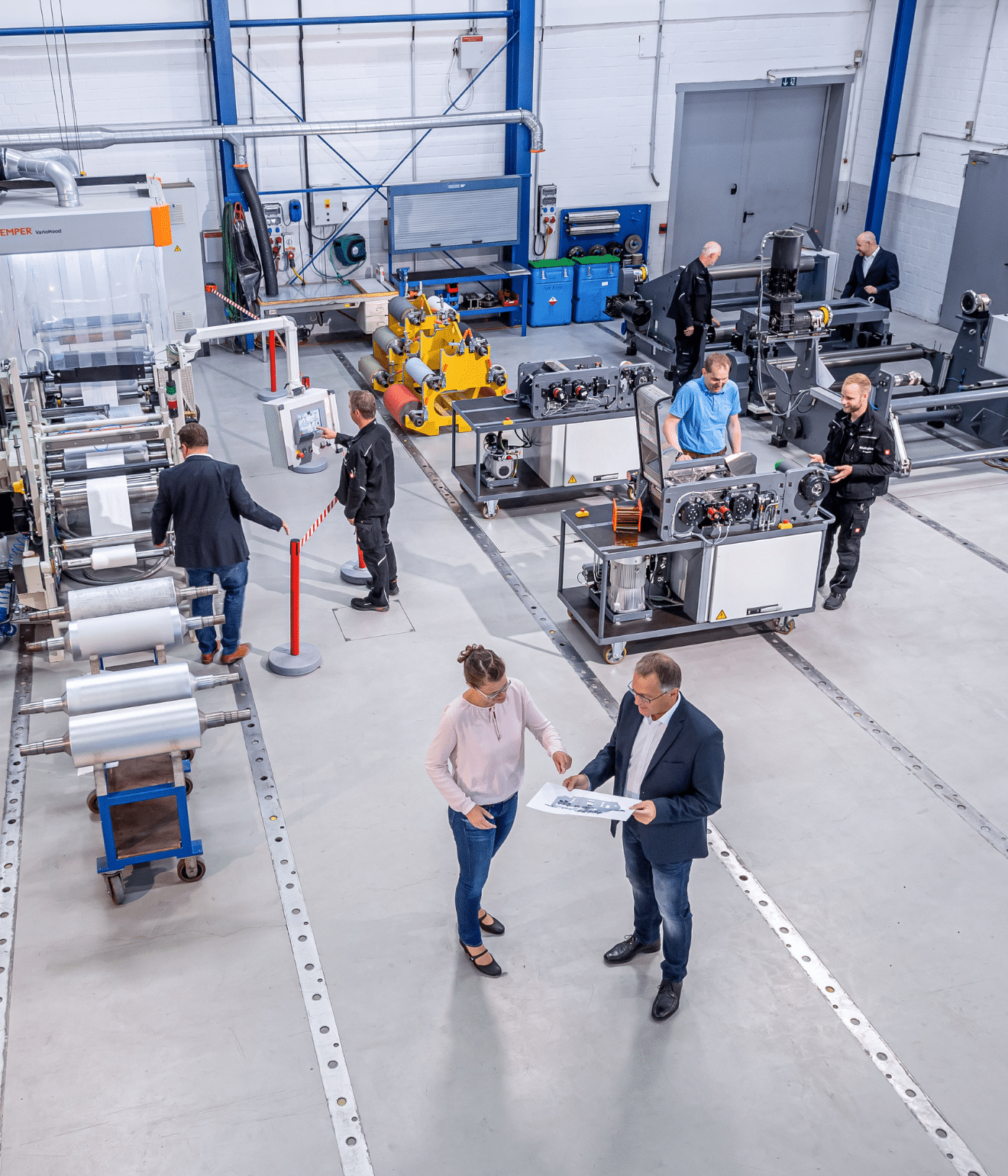
Development Center
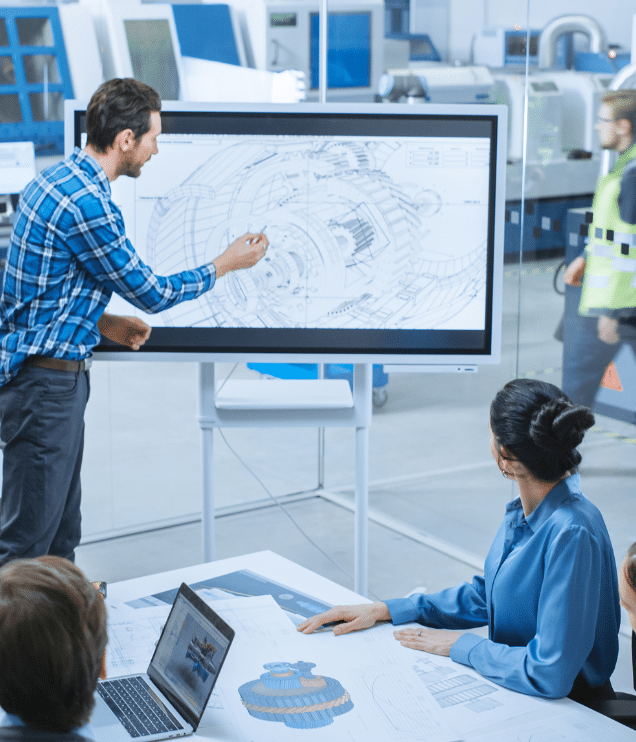
Test, validate, and refine your materials and processes in our dedicated development center - equipped for trials, scale-up, and next-gen prototyping.
Research Projects
Discover how our collaborative R&D projects are shaping the future of hydrogen fuel cell technology - from advanced materials to next-generation manufacturing processes.

Battery
Explore our solutions for battery component manufacturing — from precision tooling to scalable production systems supporting the next generation of energy storage.